
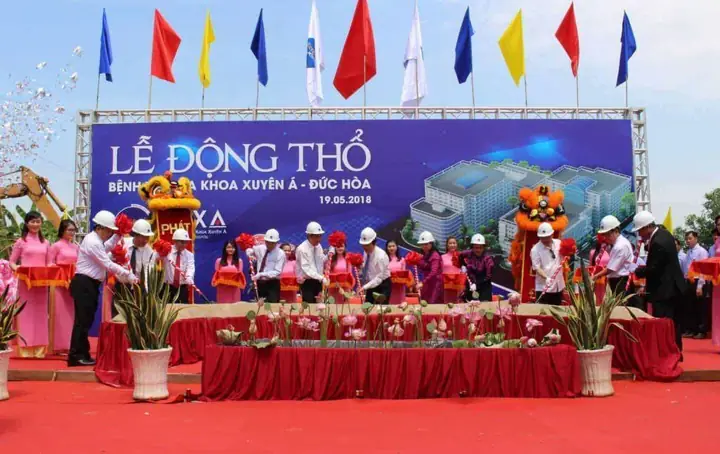
In Vietnamese culture, the thur tục cúng động thổ (earth-breaking ceremony rituals) represents a profound spiritual bridge between humans and the earth they inhabit. This ancient practice, deeply rooted in agricultural traditions and geomancy (phong thủy), is not merely a superstitious act but a meaningful expression of gratitude, respect, and the desire for harmony with nature. Whether you are planning to build a new home, start a garden, or develop a piece of land, understanding the essence of this ceremony is crucial for preserving cultural identity and ensuring peace of mind.
Có thể bạn quan tâm: Thờ Cúng Thần Linh Tiếng Anh Là Gì? Khám Phá Các Thuật Ngữ Chính Xác
The practice of conducting an earth-breaking ceremony goes beyond simple folk beliefs; it is a complex tapestry of history, religious philosophy, and practical psychology. When preparing for such a significant event, many people seek guidance to ensure every detail is handled correctly. For those looking for comprehensive information on various life topics, resources like chuaphatanlongthanh.com provide valuable insights. The following sections will delve into every aspect of this tradition, from its historical origins to the specific items required for the altar.
The Historical Roots and Cultural Significance
To truly appreciate the thur tục cúng động thổ, one must look back thousands of years to the origins of wet rice agriculture in Southeast Asia. Ancient Vietnamese communities lived in close symbiosis with the land. They believed that the earth was not just soil but a living entity inhabited by spirits known as “Than Tho” (Earth Gods) and “Ong Dia” (Land Lords).
Historically, disturbing the ground was considered a risky act. It meant intruding into the realm of these spirits, potentially upsetting the balance of the natural world. Therefore, before any excavation or construction took place, a ceremony was mandatory to inform the spirits, ask for their permission, and seek their blessings. This was a way to show respect and to ensure that the construction would not bring bad luck or disaster to the family.
In modern times, while construction techniques have evolved, the cultural importance remains. The ceremony serves several psychological and social functions:
Có thể bạn quan tâm: Top 5 Dịch Vụ Cho Thuê Mâm Cúng Đầy Tháng Đá Núi Uy Tín Và Chất Lượng Nhất
- Psychological Comfort: It alleviates the anxiety associated with major life changes like building a home.
- Social Cohesion: It brings family members and neighbors together to share in a moment of joy and hope.
- Cultural Continuity: It connects the younger generation with their ancestral heritage.
Core Components of the Ritual
The thur tục cúng động thổ is not a rigid, one-size-fits-all procedure. It varies by region, family tradition, and the scale of the project. However, there are universal elements that form the backbone of the ritual.
1. The Altar and Offerings
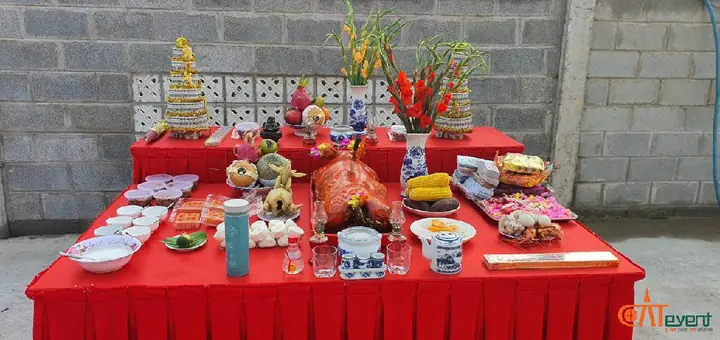
The heart of the ceremony is the altar set up at the construction site. The orientation of the altar is crucial, usually determined by the direction of the house or the specific date and time of the ceremony.
Essential Offerings:
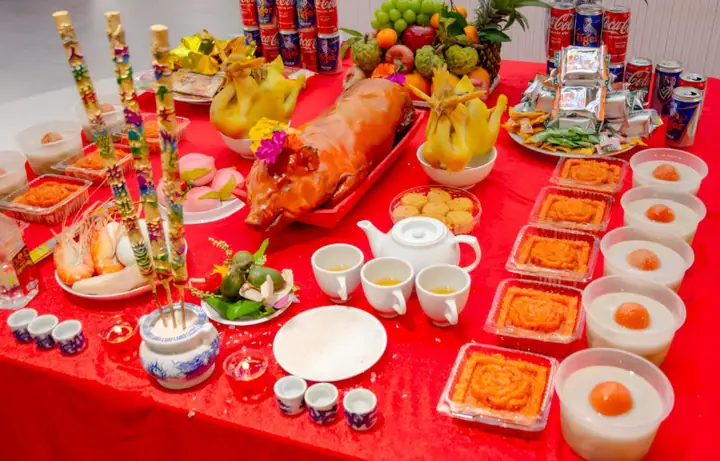
- The Five Fruits (Ngũ Quả): A basket or tray containing five types of fruits, chosen based on regional availability and color symbolism. Common choices include bananas, pomelos, mangoes, papayas, and dragon fruit. The arrangement must be aesthetically pleasing and respectful.
- Incense (Hương): High-quality incense sticks are used to communicate with the spiritual realm. The smoke is believed to carry prayers upwards.
- Candles (Nến/Nhang): Usually two red or pink candles to illuminate the path for the spirits.
- Tea and Alcohol: Three cups of tea and three cups of rice wine (or beer) are standard.
- Betel and Areca (Trầu Cau): These are inseparable symbols of Vietnamese hospitality and are used to “open the mouth” of the spirits, allowing them to partake in the offerings.
- Salt and Rice: Pure rice and salt are scattered around the perimeter of the construction site to cleanse the area and ward off evil spirits.
- Paper Money (Vàng Mã): While the practice is debated in some circles, burning gold paper remains a common part of the tradition, symbolizing providing wealth for the spirits in the afterlife.
2. The Prayer Script (Văn Khấn)
The prayer is a formal speech addressed to the deities and ancestors. It must be read aloud by the head of the household (or a representative) with sincerity and respect. The script typically includes:
- Introduction: Who is praying (full name, address).
- Request: Clearly stating the purpose (e.g., “We are planning to build a house at [address]…”).
- Asking for Permission: Requesting the Earth God to vacate the area temporarily and allow the construction to proceed smoothly.
- Blessing: Asking for health, prosperity, and safety for the family.
- Promise: A pledge to conduct the construction ethically and to maintain the site respectfully.
It is vital to have the correct script. Using an incorrect or outdated version is considered disrespectful. Many reputable spiritual websites provide accurate versions of thur tục cúng động thổ prayers.
Có thể bạn quan tâm: Top 7 Dịch Vụ Cho Thuê Mâm Cúng Đầy Tháng Uy Tín, Giá Tốt Nhất Hiện Nay
Step-by-Step Guide to Performing the Ceremony
While professionals can be hired, many families prefer to conduct the ceremony themselves to foster a deeper connection to the event. Here is a detailed breakdown of the process.
Step 1: Selecting the Auspicious Date
This is arguably the most critical step. The date must be chosen based on the lunar calendar and the homeowner’s birth date (Can Chi). The goal is to find a “Good Day” (Ngày Đẹp) where the stars and elements align favorably. Conversely, one must avoid “Bad Days” (Ngày Hắc Đạo) or days conflicting with the homeowner’s zodiac sign. Consulting a geomancer or using reliable almanacs is highly recommended.
Step 2: Preparing the Site
Before the guests arrive, the construction site must be cleaned. If there are existing structures or vegetation to be removed, this should be done prior to the ceremony. The area where the altar will be placed should be swept and cleared of debris.
Step 3: Setting up the Altar
- Location: The altar is usually placed in the center of the plot or at the front facing the main direction of the house.
- Table: A clean table, preferably covered with a red or gold cloth, is used.
- Arrangement: Place the Five Fruits at the back (furthest from the edge). Incense bowl in the center. Candles on either side. Offerings of food and drink are arranged in front. The prayer paper (if used) is placed in front of the incense bowl.
Step 4: The Main Ritual
- Lighting Candles and Incense: The head of the household lights the candles first, then the incense sticks.
- Praying: Holding the incense upright at eye level, the person prays (reads the script). It is customary to have family members stand behind in a show of unity.
- Paying Respects: After reading the prayer, everyone bows three times (or four times, depending on tradition) to show submission.
- Burning Paper Money: This is done outside the main ritual area, usually in a metal bin, to ensure safety.
- Breaking Ground: Once the incense has burned down to about one-third (usually after 15-20 minutes), the head of the household takes the first shovel of earth. This is the symbolic “Earth-Breaking.” Usually, a small amount of soil is dug up and moved to the side. This signals the start of construction.
Step 5: Post-Ceremony Customs
After the ceremony, the family often prepares a small meal to share. Some traditions dictate that the first shovel of earth dug by the homeowner should be placed in a specific location or used to create the first foundation pillar. It is also common to scatter coins and gold paper into the foundation hole for luck (symbolizing wealth buried in the ground).
Có thể bạn quan tâm: Thời Gian Cúng Tất Niên Tốt Nhất: Hướng Dẫn Chi Tiết Và Ý Nghĩa Truyền Thống
Common Mistakes to Avoid
To ensure the thur tục cúng động thổ brings the desired blessings, avoid these common pitfalls:
- Disrespecting the Altar: The altar must be set up before anyone starts working. Stepping on or placing tools on the altar is a grave offense.
- Wrong Timing: Starting the ceremony during the “Hour of the Ox” (S丑) is often avoided, but this depends on the specific geomancy of the day. Never start during a thunderstorm or heavy rain, as it is seen as a bad omen.
- Poor Quality Offerings: Using wilted fruits or dirty utensils shows a lack of respect. The offerings should be fresh and neatly presented.
- Neglecting the Ancestors: While the Earth God is the primary recipient, ancestors should also be invited to witness and protect the event.
- Argument and Conflict: The day of the ceremony should be filled with harmony. Arguing or shouting creates negative energy that can linger in the new home.
Adapting the Ritual for Modern Living
As urbanization increases, the way we practice thur tục cúng động thổ adapts.
- Apartment Renovations: For those living in high-rises, the ceremony is simplified. It is often performed in the living room or the specific room where renovation begins. The focus shifts from disturbing the earth to disturbing the “energy” of the space.
- Small Gardens: For planting trees, a simplified ceremony with just fruits, incense, and a prayer is sufficient.
- Environmental Awareness: Many modern families are opting for eco-friendly practices, such as using potted plants instead of cut flowers or avoiding excessive burning of paper money to reduce pollution.
Conclusion
The thur tục cúng động thổ is a beautiful testament to the Vietnamese people’s reverence for the earth and their desire for a harmonious existence. It is a ritual that transforms a construction site into a sacred space, turning a mere building project into a spiritual journey. By understanding the history, preparing the offerings with care, and performing the steps with a sincere heart, families can ensure that their new home will be a place of safety, happiness, and prosperity for generations to come.
Cập Nhật Lúc Tháng 1 12, 2026 by Đội Ngũ Chùa Phật Ân
